



Eternity Law International News Regulatory organization FINMA in Switzerland

Regulatory organization FINMA in Switzerland

Published:
May 17, 2021
Share it:

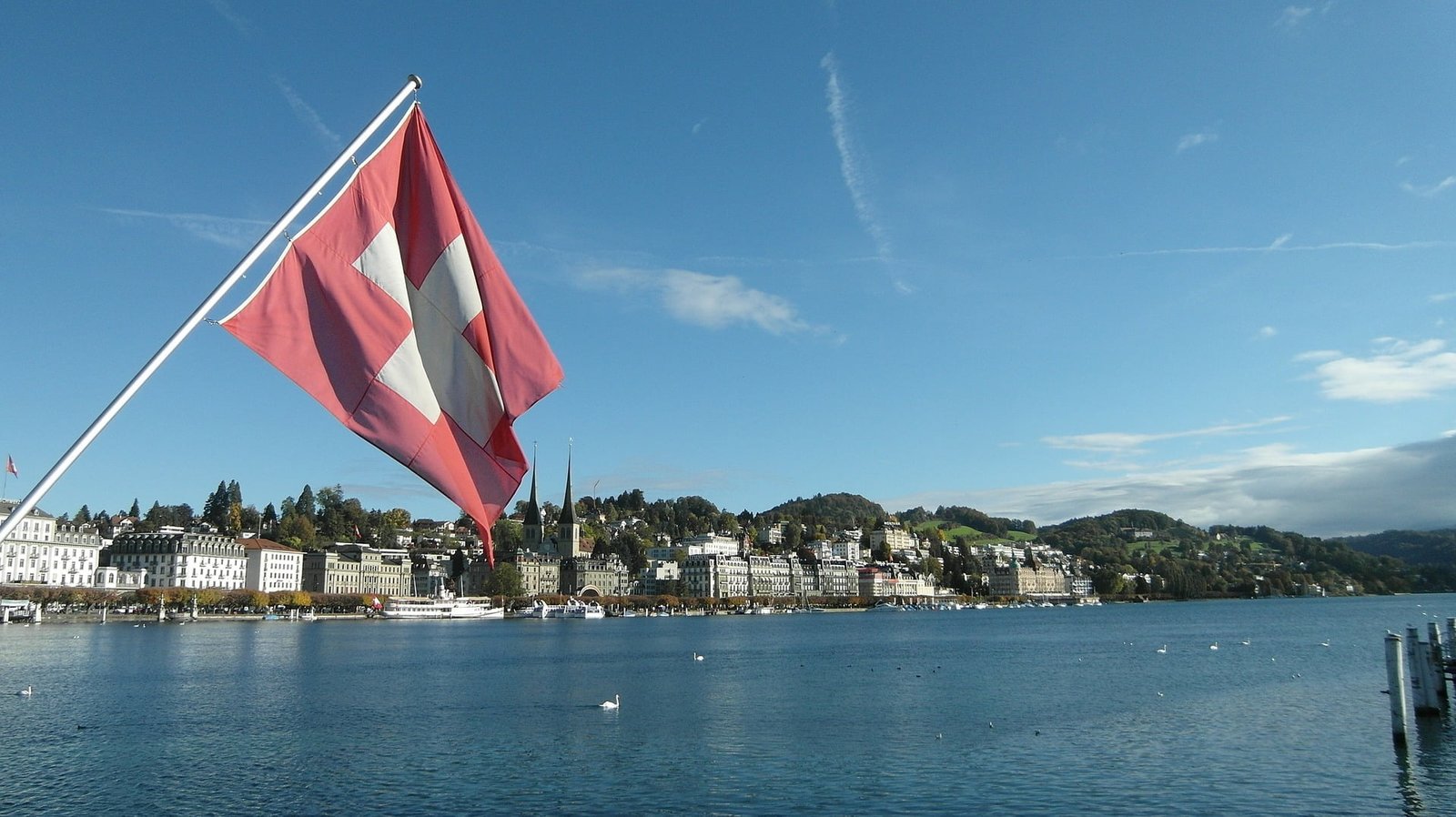
The Swiss Financial Markets Supervision Authority (FINMA) is a government agency, a Swiss regulator, which is one of the most reliable in the world, since the requirements of the regulator are very strict. Its activities are focused on financial regulation, namely: protection against the creation of corruption schemes for money laundering, supervision of banks, insurance companies, stock exchanges and securities dealers, control over the amount of capital, in various credit institutions, and, if necessary, conducts financial restructuring and bankruptcy procedures.

FINMA is a government agency that reports directly to the Swiss parliament. It is based in Bern and is independent of the central federal administration and the Federal Department of Finance. The regulator has at its disposal various levers of influence on brokers, and therefore any company licensed by FINMA operates under transparent schemes that imply full protection of the interests of investors.

History of creation

FINMA was founded on June 22, 2007 with the adoption of the Federal Law on the Swiss Financial Market Supervisory Authority (FINMASA) as a result of the merger of the following organizations:

  • Swiss Federal Banking Commission (SFBC);
  • Federal Office of Private Insurance (FOPI);
  • Anti-Money Laundering Control Authority (AMLCA).

Responsibilities and functions:

  • Development of legislation in the financial sector;
  • Issuance of a license to companies and organizations under its supervision, certification of financial market participants;
  • Monitoring compliance with standards, laws, regulations, directives;
  • Issuance of warnings, revocation of licenses and liquidation of companies;
  • Anti-corruption schemes and money laundering;
  • Control over Swiss financial markets for compliance with AML / CFT requirements.
  • Protection of investors and creditors;

FINMA requirements for licensees:

  • Opening a real office in Switzerland, which will automatically oblige the company to follow the laws of the country;
  • Provision of a document that will identify potential risks when investing, conducting transactions, obtaining financial services (to inform clients);
  • Compliance with the requirements for the level of minimum capital, compliance with liquidity standards. The ratios are individual depending on the volume of transactions and the balance on bank accounts;
  • Disclosure of information about the founders, placement of information in open sources of information.

Conclusions

FINMA’s main mission is to maintain the stability of the Swiss banking sector and increase investor confidence in the Swiss financial markets. And having a FINMA license can serve as a high guarantee that you have a reliable brokerage company that you can entrust your money to. Thanks to its high reputation, FINMA is on a par with such reliable regulators as FCA and NFA.
You could be interested

Andorra rejects banking secrecy since 2018

For many years, banking secrecy was observed in Andorra, there was no VAT with income tax, high-class professional workers worked in the banking area. In Andorra, there was a certain kind and independence in making decisions. France and Spain are located near Andorra, which is an important advantage for this state. In the last couple...

Swiss Licensed VASP with Multi-Asset Trading Platform for Sale

In recent years, Switzerland has once again confirmed its status as a financial center where law meets innovation. And if you dream of entering the world of digital assets not from scratch, but with a full-fledged tool in your hands, then it makes sense to look at ready-made options on the market. For example, a...

International Jurisdiction Cases Portugal

Not long ago, cross-border legal cases were considered unusual. Today, they’re a routine risk in global business. It’s not just where the contract is signed – it’s where the conflict unfolds that often matters most. With Portugal gaining prominence as a legal and commercial center in Europe, more disputes are landing in Portuguese courts. International...

Company Liquidation in Denmark

Denmark Company Liquidation is a well-defined lawful workflow that marks the authorised termination of a business entity. Whether driven by fiscal hardship, corporate refocusing, or self-initiated dissolution by partners, liquidating a company in Denmark encompasses abiding by strict legislative demands. The workflow consists of settling arrears, allocating any residual capitals, and officially deregistering the firm...

Human Rights & Political Asylum Cases in France

In our world there is a problem which can have an influence on some people around the whole world. We are talking about political oppression that forces people to escape from their native country to another one. The reason of it is that a person encounters some kind of a risk and finds themselves in...

Regulation of cryptocurrency in UK

Legal regulation of cryptocurrency in the UK is a standard process for the country. To date, the state has developed the most favorable legislative framework for doing business with cryptocurrency operations. The state supports international projects related to digital currency, sponsors start-ups. Despite the positive trend, the UK government has not yet settled a final...

Related posts

Legal forms in Switzerland: which is more preferred for your business model?

When entrepreneurs want to start a firm in Switzerland, the first strategic resolution they are faced with is the legal form of their establishment. While the country offers various options, two options have been held up in practice, namely the AG and the GmbH. Both organizations provide limited liability and are laid down in the...

International Jurisdiction Cases Switzerland

Switzerland, small as she is, plays a major and indeed, differentially significant role in the world’s legal affairs. With its finance, multinational firms, and major global organizations, Swiss courts commonly adjudicate lawsuits touching on cross-border aspects. Understanding how these courts assert the authority by global jurisdiction is a matter of importance for legal practitioners, global...

Shareholder & Partnership Disputes in Switzerland

Running a firm  with partners or co-founders could be rewarding — but in case things go wrong, arguments can quickly turn distinctive and messy. Whether you’re facing tension through decision-making, interests, or a firm region, it’s critical to apprehend your entitlements and take action. If you’re sorting things out with a partner or partnership conflict,...

Mergers & Acquisitions (M&A) in Switzerland

Time and time again, one thing becomes clear in deal-making of mergers and acquisitions Switzerland: more than just monetary operations, M&As are strategic turning points. For businesses in Switzerland, M&A can represent the next build phase, an entrée to new markets, or a lucrative exit. Achieving success in these efforts is not a game of...

Business Formation & Corporate Governance in Switzerland

Setting up a business in Switzerland continues to appeal to entrepreneurs looking for legal security, strategic location, and long-term tax predictability. But recent updates in corporate governance Switzerland frameworks are making legal preparation more important than ever. Legal experts say that while the process of registering a company remains straightforward in principle, startups and foreign-owned...

Corporate Lawyer Switzerland

Many experts claim that doing any type of commercial activity in this direction is a golden opportunity. However it is vitally important to remember that formula is applicable only if you play your legal cards right. When we are talking about this region, the legislative base is famed for its precision, discretion, and stability. On...

Discover our services

The international company Eternity Law International provides professional services in the field of international consulting, auditing services, legal and tax services.

Fill the blank: