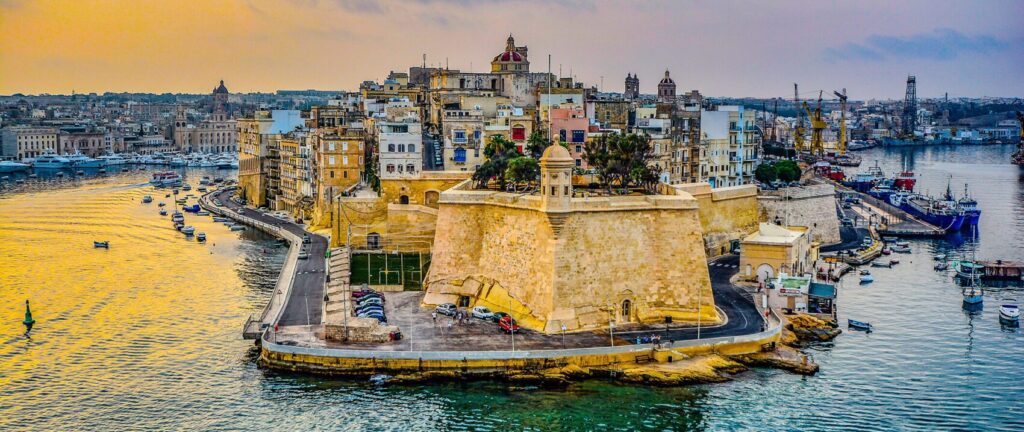








Gambling in Malta—context behind the success
Today modern Gambling in Malta encompasses many permitted operators, independent test laboratories, hosting facilities and consultancy support for all market aspects. A Malta gaming licence operates within a recognised regulatory system and can strengthen an operator’s reputation among international business partners and payment providers, subject to each provider’s own onboarding standards.
Overview
Regulator: Malta Gaming Authority (MGA)
Authorization validity: 10 years (subject to ongoing regulatory compliance and supervision)
Authorization types: Gaming Service Licence (B2C operators) and Critical Gaming Supply Licence (B2B service providers)
Gaming verticals: House games, fixed-odds betting, peer-to-peer games, and controlled skill games
Processing time : Approximately 4–6 months, depending on application completeness and MGA review
Local presence: Malta-registered company with adequate local substance and key function holders
Technical requirements: Certified gaming systems, independent system audit, secure infrastructure, and adherence to MGA technical standards
Compliance: AML/CFT, KYC, responsible gaming, fit-and-proper assessments, ongoing reporting, and regulatory audits
Market access: Strong international reputation with EU-recognized regulatory framework
Malta gaming license—standard of trustworthiness
The fact of carrying a Malta gaming license suggests operational trustworthiness. MGA–Malta Gaming Authority can only license applicants able to demonstrate transparent ownership, economic stability, and a robust technical resilience.
Passing this compliance-oriented procedure sends banks, payment processors, and B2B partners a signal— the applicant’s organization operates within legal European frameworks.

Gaming License in Malta – structure and philosophy
The Maltese gaming licensing framework rests on two main B2C and B2B licensing categories:
- Gaming Service (B2C) – for operators directly serving players.
- Critical Gaming Supply (B2B) – for software, hosting, or management platform suppliers.
A licence may cover multiple Gaming Types, subject to the applicable requirements and MGA approval. Companies can grow without the need for repeated re-licensing while keeping themselves constantly prepared for an audit and under legislative oversight with this modular framework.
iGaming license Malta – scope of digital world
The iGaming license Malta covers online slots, live-dealer tables, lotteries, poker rooms, fantasy sports and more. The MGA’s approach of a one-license-for-many-activities model promotes creativity but also brings strict player-protection and technical standards – certified RNGs, fair-play algorithms, verified settlement systems, and forward-looking financial projections.
How to get a gaming license in Malta – the procedural map
By tracing the path of How to get a gaming license in Malta is not taking boxes but several stages that are interdependent:
- Creating a local body and filing articles of incorporation.
- Key personnel appointing – the director, AML officer, and data-protection and compliance leads.
- Drafting a comprehensive business plan, including financial projections and internal controls.
- Subject to fit and proper tests for shareholders and management.
- An independent auditor completes a full-systems review confirming live infrastructure.
Malta online casino license – shaping the B2C segment
A Malta online casino license is a perfect fit for businesses focusing on real entertainment themes such as slots, blackjack, roulette, and jackpots.
The MGA expects licensees to:
- Maintain full segregation of player funds;
- Store immutable game logs;
- Offer transparent bonus and withdrawal terms;
- Roll out responsible gaming tools and self-exclusion features.
This kind of discipline strengthens:
- Player confidence
- Image of lawful, customer-centric operations.


Malta Casino License – hybrid and land-based models
Malta regulates both land-based and remote gaming activities, with separate regulatory requirements applicable to each model. Internal-audit routines, surveillance systems, and a risk-awareness culture are scrutinized by the MGA, making sure that physical and digital environments can beat the right-compliance heartbeat in unison.
Legal online casinos Malta – protecting the end user
The Legal online casinos Malta system is based on consumer protection. Operators need to confirm the identity of the players, deter money laundering, and store registration data in infrastructure that is EU-compliant.
MGA also has the power to inspect premises, shut them down, and cancel licenses for noncompliance. By focusing on developing these areas, everyone can benefit, from players (who gain real security) to businesses (which gain accountability that builds trust).
Malta betting license – fixed-odds integrity
The companies that manage sports- or eSports-based gambling acquire a Malta betting license. They have to set up transparent odds calculation systems, independent data feeds, and internal risk management. These protections help to ensure a fair result, as well as meet the highest international standard of integrity in sports and gaming.
Betting Licence in Malta – peer-to-peer networks
The Betting Licence in Malta includes poker networks, betting exchanges, and pool competitions. Since operators deal with commissions and not precisely house-edge gains, there is a need to keep an eye on transactions in real time. This peer-driven model relies on transparent fund allocation and traceable flows between players.

Malta gambling regulator – the watchdog of consistency
The Malta gambling regulator, more formally stated as the Malta Gaming Authority, is a one-stop shop for all authorizations, compliance checks, and public reporting.
Its duties range from conducting regular audits and issuing warnings or suspensions to cooperating with anti-money-laundering organizations and collaborating in cross-border investigations.
Malta Online Gaming – substance and presence
Malta-licensed gaming businesses are expected to maintain a genuine local presence. Depending on their operations, this may include local staff, key personnel and appropriate technical resources. Relevant business data must remain available for regulatory review, while operators should demonstrate ongoing compliance with operational and financial requirements. This approach helps ensure that licensed companies carry out real business activities in Malta rather than maintaining only a formal corporate presence.
Malta iGaming Licensing – living with compliance
Being licensed under Malta iGaming Licensing implies becoming a part of a cycle of permanent compliance. Licensees must fill out quarterly and annual reports and respond to follow-up audits, as well as inform regulators when ownership changes and update responsible-gaming and cybersecurity policies.
The MGA publicly lists compliant organizations, creating a culture of transparency in the market where compliance is something that must be ongoing, not just at the time-period of getting certified.
Malta Gaming License 2026 – evolving standards
With the run-up to Malta Gaming License 2026, AML control, behavioral analytics, and IT resilience continue to be control frameworks. The regulator welcomes innovation like blockchain validation or AI fraud detection but requires good governance and ESG-compatible ethics.
Gambling License Malta – benefits and challenges
Benefits of Having a Gambling License Malta:
- EU market recognition and access to the cross-border market;
- trust from financial institutions;
- a single multi-vertical authorisation;
- fair and competitive tax in line with the international standards;
- an experienced network of technical partners and a qualified workforce.
Eternity Law International’s role
Our consulting firm Eternity Law International, having many years of successful experience in the field of iGaming, helps at all stages of registration, starting from opening a company to support during obtaining licenses and further communication with competent authorities.
We also assist gaming businesses with payment solutions and structures involving relevant jurisdictions —please refer to Eternity Law Gambling License, EMI License in New Zealand, and Luxembourg Payment Licenses.
Moving forward – building your legal presence in Malta
For a company or business seeking to obtain full legal status in iGaming, the decision to opt for Malta is one that immediately associates your brand with one of the most respected regulatory frameworks in Europe. Regulatory and operational costs, reduces risk exposure, and enhances global scalability.
Eternity Law International guides investors and operators through this process, providing end-to-end service from strategic planning to post-licensing maintenance. Contact our advisors for tailored consultation and compliant project execution.
Malta Gaming License Types: B2C and B2B
Local supervisory regime distinguishes between two main authorisations: Malta B2C gaming license for companies offering games directly to players and Malta B2B gaming license for firms supplying certain gaming systems or complementary digital infrastructure to third-party participants. The correct category depends on the activities performed by the company, rather than the format of the games it works with.
- B2C authorisation is intended for entities delivering wagering solutions straight to end users. Depending on the approved scope, activities may include casino games, fixed-odds sports wagering, player-against-player structures as well as controlled skill games. A company planning to run an online casino or sportsbook should identify its intended products and markets before choosing the relevant category.
- B2B (the Critical Gaming Supply Licence) covers qualifying suppliers whose products or work related to primary betting infrastructures, such as backend platforms and code utilized to create, collect, manage, or execute operational flows. Not every technology provider needs this authorisation. The deciding factor is the nature of the product or activity supplied.
Malta Gaming License Criteria
Before deciding whether to authorise a firm, the supervisor reviews the proposed operation, company setup, funding arrangements, and technical setup.
Incorporating an organization here is a basic step and does not by itself establish a basis for eligibility. The following areas are also essential.
- The entity must be properly established and meet the rules applicable to its proposed activities.
- As part of fit and proper assessment, the MGA will assess the background and suitability of shareholders with significant interest, UBOs and key persons in the company.
- The entity has to explain the source of its fund, provide projections and show its capacity to support the operation plan.
- The submission should include explanations of how the firm will handle customer accounts, player funds where relevant, record-keeping, AML controls and safer wagering practices.
- The platform and support systems must be in line with the technical standards of the industry.
- An independent system audit is a requirement before the operations start.
The extent of materials mandated to accompany an authorisation submission hinges upon the class of the permit sought and the activities covered by the request. Use the latest checklists and forms of the supervisor to ascertain the exact demands for your submission.
How to Apply for a MGA License
The procedure runs through the MGA Licensee Portal. Before filing, the organization needs to have its corporate records, operating plan and technical description ready.
- Set up the enterprise. Confirm which entity will seek authorisation and identify its shareholders and people that perform principal functions.
- Prepare the submission. Gather corporate records, evidence of funding, projected figures, operating protocols and technological specifications.
- File through the MGA portal. Open a new request, select the relevant B2C or B2B category and upload the demanded materials.
- Respond to the MGA’s review. The Authority examines the company’s structure, the people involved, its funding and proposed activities. It may ask questions or request further evidence.
- Complete system audit preparation. Provide the system descriptions and supporting information needed for the MGA’s review. The proposed setup must then be implemented in a test environment.
- Arrange an independent system audit. An external auditor checks whether the implemented systems match the submitted specifications and meet the applicable technical standards.
- Receive the decision. Once the review and audit are satisfactory and the relevant charges have been paid, the MGA may grant authorisation. Regulated activities must not begin before approval.
An incomplete submission can delay the process. Where the MGA marks a filing incomplete, the company may be given 60 days to supply the missing information. Failure to meet that deadline may result in the case being rejected and closed.
MGA Application Fees and Compliance Contributions
| Expense | Published amount or calculation basis |
| Initial application fee | €5,000, non-refundable |
| B2C yearly authorisation fee | €25,000 for most authorised companies |
| B2C yearly fee for Type 4 activities only | €10,000 |
| B2B yearly authorisation fee | €25,000 for annual revenue up to €5 million; €30,000 above €5 million and up to €10 million; €35,000 above €10 million |
| B2B back-office yearly fee | €3,000 for annual revenue up to €1 million; €5,000 above €1 million, according to the relevant fee schedule |
| B2C tax | A 5% duty levied on revenue derived from wagering activities offered to individuals located on the territory, pursuant to applicable regulations |
| Gaming license compliance contribution | Calculated under the MGA fee framework, based on the activity type and income; lower and upper limits may apply |
| Required share capital for B2C companies | €100,000 for Type 1; €100,000 for Type 2; €40,000 for Type 3; €40,000 for Type 4, subject to a combined cap of €240,000 |
These figures should be checked against the current MGA fee schedule before the company commits to a budget. The exact amount can depend on the activities included in the authorisation.
The initial filing charge is non-refundable, while yearly authorisation fees are payable in advance. Other expenses may include company formation, legal and accounting work, platform development, system testing, independent audits and staffing. The company should also budget for ongoing reporting and technical upkeep.
Materials Needed
The records requested by the MGA depend on the authorisation category, the planned activities and the company’s structure. A typical submission may include:
- Certificate of incorporation and constitutional records.
- Details of shareholders, ultimate beneficial owners and key function holders.
- Personal declaration forms for relevant individuals.
- Evidence showing the source of funds and, where requested, the source of wealth of relevant individuals.
- An operating plan covering the proposed activities, target markets, distribution channels and growth strategy.
- Projections and supporting accounting records.
- An organisational chart showing the company’s structure and assigned functions.
- Procedures covering customer onboarding, AML controls, safer wagering standards, and record retention.
- Technological descriptions of the wagering software framework, supervisory mechanisms, infrastructure, and security measures.
- Architecture specifications and materials needed for engineering review and third-party audit.
- Additional forms or supporting records listed in the relevant MGA checklist.
The MGA may request further evidence or clarification during its review. Preparing the submission against the latest checklist helps identify gaps before filing.
Timeline
The time needed to obtain authorisation hinges on the quality of the request, the complexity of the proposed activities, background checks and the readiness of the technical setup. There is no guaranteed approval date for every case.
The main stages include the initial review, assessment of the organization and relevant individuals, examination of funding and operating plans, technical examination, testing and independent system audit. If the MGA marks the submission incomplete, the company may have 60 days to provide the missing information.
A straightforward case may take several months. More complex corporate arrangements, incomplete records or modifications to system architecture may prolong approval timeframes. Companies should allow time for the audit and any amendments requested by the MGA before setting a launch date.
What Our Services Include
Eternity Law International provides MGA licensing assistance, from initial planning through communication with the Authority. The scope depends on the intended activities, the company’s existing structure and the stage reached.
Our work may cover:
- Category assessment;
- Corporate structuring;
- Submission preparation;
- Funding arrangements;
- Governing protocols;
- Technical coordination;
- Communication with the supervisory body;
- Ongoing regulatory compliance.
The regulatory consulting scope is agreed according to the company’s needs. Technical development, independent audits and other specialist work may need to be arranged separately.
FAQ
How to get a gambling license in Malta?
The applicant starts off by incorporating a company in Malta, then gathering the corporate and compliance documentation that it’s going to have to provide to the MGA. The authority also scrutinizes background checks and analyses of business plans and makes reviews of technology and systems.
Is gambling legal in Malta?
Yes. Gambling under an MGA license is legal and regulated in Malta.
What is the gaming tax in Malta?
Taxation combines low-rate corporate tax incentives with specific gaming-related contributions calculated on revenue tiers.
What is Malta Gaming Authority?
Malta Gaming Authority is the Malta gambling regulator that licenses, regulates and oversees compliance.
Other gaming license

UK Gambling License

Kahnawake Gaming License

Antigua and Barbuda Gaming License

Isle of Man Gaming License

Austria Gambling License
Alderney Gambling License
Businesses for sale
Gaming License in Malta or Curacao
Exclusive South Africa Gaming License for Sale
- Gambling in Malta—context behind the success
- Overview
- Malta gaming license—standard of trustworthiness
- Gaming License in Malta – structure and philosophy
- iGaming license Malta - scope of digital world
- How to get a gaming license in Malta – the procedural map
- Malta online casino license – shaping the B2C segment
- Malta Casino License – hybrid and land-based models
- Legal online casinos Malta – protecting the end user
- Malta betting license – fixed-odds integrity
- Betting Licence in Malta – peer-to-peer networks
- Malta gambling regulator – the watchdog of consistency
- Malta Online Gaming – substance and presence
- Malta iGaming Licensing – living with compliance
- Malta Gaming License 2026 – evolving standards
- Gambling License Malta – benefits and challenges
- Eternity Law International’s role
- Moving forward – building your legal presence in Malta
- Malta Gaming License Types: B2C and B2B
- Malta Gaming License Criteria
- How to Apply for a MGA License
- MGA Application Fees and Compliance Contributions
- Materials Needed
- Timeline
- What Our Services Include
- FAQ