

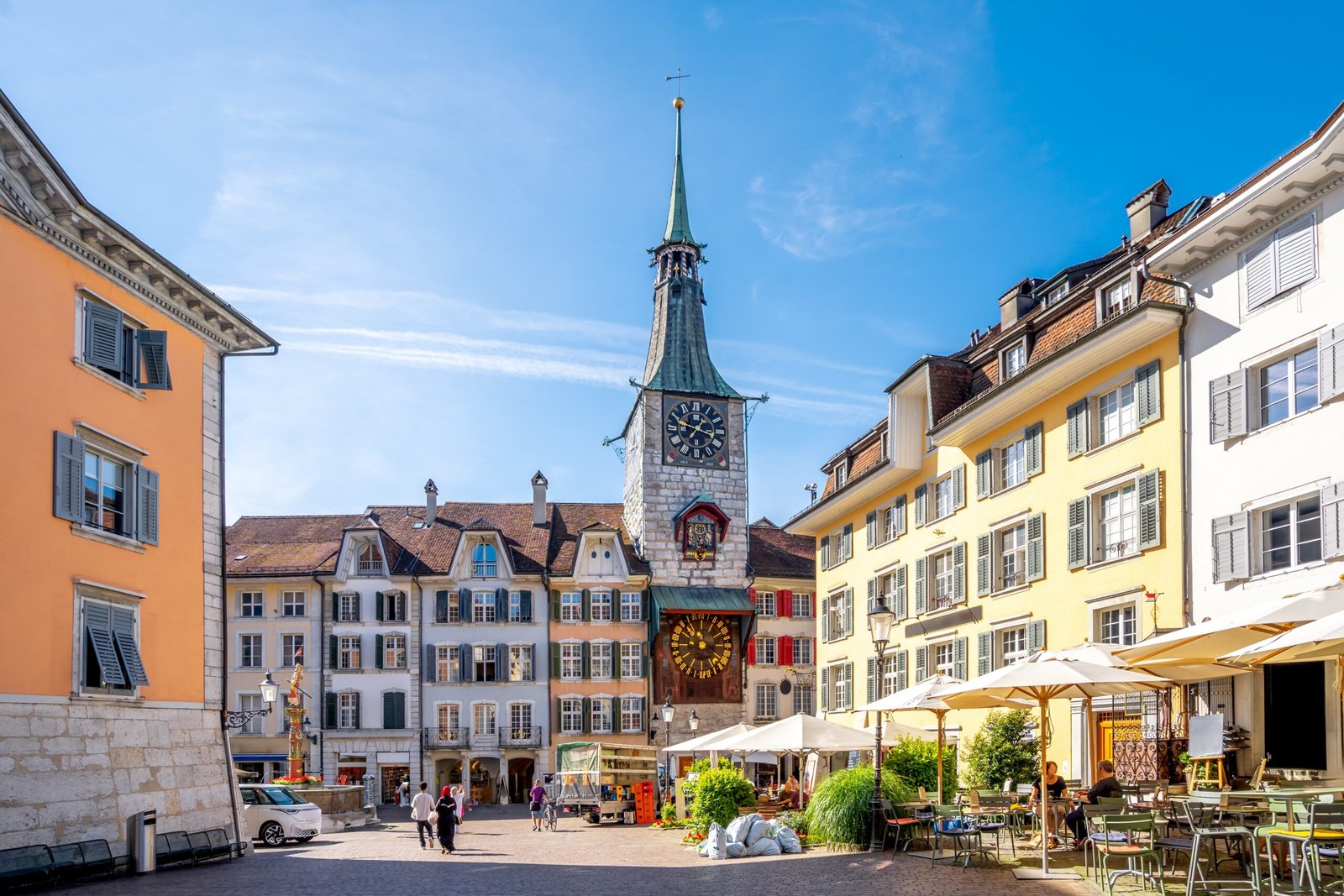





Nowadays, getting a forex broker license in Estonia is considered a strategic resolution for firms that have an intention to act as providers of foreign exchange offerings and operate in the boundaries of the EEA. The country in question combines both legal predictability and digital infrastructure.
Organizations that have the necessary amount of capital for entry, demonstrate functional steadiness and transparency are able to get Estonia forex broker license. The permission is given by the regional supervisory authority Finantsinspektsioon. Holding it, the establishment may enhance credibility, get entry to other markets, and help the project expand across borders by showing partners and clients that it has passed an official review. This article will cover all significant aspects and give you the necessary information about Estonia forex license in 2025 you need to know.
Forex License in the Estonia: Regulations
The pertinent supervisory authority is the Finantsinspektsioon. Under the national legislation, any entity seeking to provide investment services related to FX/CFDs under MiFID (RTO, execution, portfolio management, investment advice, operating an MTF/OTF, safekeeping of client assets, etc.) must be authorized. The regime sets out that the permit is required to provide one or more services to third parties or to perform operations on a professional basis. The regulator requires submission of all necessary papers. The documented time‐frame for decision making after full submission is up to six months, although in practice four months is typical for the standard authorisation in this field. The minimum capital or “own funds” requirement varies in line with the scope of the planned operations: smaller scale operations may face lower thresholds, while full service investment firms face significantly higher amounts. The regulatory environment is regarded as transparent and backed by stable legislation, with the benefit of “passporting” within the EEA when properly authorised.
Why Estonia for Forex Licensing?
Getting a CFD brokerage license in Estonia can give your organization some benefits.
- The organization gains legal approval and can operate in the EEA market, as long as it correctly uses its passporting rights;
- The state in question gives a beneficial tax environment as well as the one regarding digital infrastructure (including online tools for business filings and the requirement of real local presence — office/director/key functions in the country);
- The oversight system is respected, and the authority’s reputation helps build trust with others;
- Because the rules are clear and structured, once approval is granted the ongoing requirements are manageable and easier to plan for;
- The jurisdiction allows different ways of setting up operations, such as branches or small local offices, giving businesses room to grow as needed.
All these pros can convince you of the reliability of the state in question.

Requirements
All demands that must be satisfied are demonstrated below:
- For a full-scale investment service provider the threshold may be substantial. Indicative amounts are €75,000 for operations involving customer funds, €150,000 for portfolio management, and up to €750,000 for underwriting services. Lower entry models may have lower thresholds but still require genuine funding.
- The regulator demands that senior personnel are “fit and proper”, that there is adequate internal control, audit functions, compliance oversight and that key persons’ backgrounds (education, experience) are documented. Also, physical address and presence obligations apply (office, local board etc.).
- Submission must include a three-year projection (in many cases), description of services, target markets, risk management, internal controls.
- Sending necessary papers that include certificates of incorporation, AoA, director and share-holder lists, ownership structure, bank account evidence, proof of pledge fund payment (in some cases) and other auxiliary documents.
How to get brokerage (forex) licenses in Estonia
The course of action consists of the following moves:
- Creation of a legal organization in the state in question (for example, an AS — public limited company, or an OÜ — private limited company, depending on the model) and opening an account in financial institution;
- Gathering all necessary papers, guaranteeing adherence to expectations of regulator (AoA, board composition, firm strategy, audit arrangements, banking confirmations);
- Sending the official request to the supervisory authority, together with the application fee and waiting for a resolution (in the boundaries of 2-6 months);
- When approved, the last thing is depositing the demanded amount of funds, paying any pledge or guarantee funds, and receiving confirmation.
Usually the approval is awaited for four months. You have to take into account all criteria, such as regulatory, corporate and banking. Because of their complexity it is strongly advisable to turn to the specialist who deals with such matters. Their involvement reduces the hazard of a rejection, speeds the course of action and makes sure that all papers are drafted in accordance with latest standards.
What you have to do after getting an official authorization
Once the permit is granted, the entity must meet ongoing requirements:
- Funds – Keep sufficient resources on hand;
- Updates to Authorities – Inform the authorities regularly and whenever key personnel change;
- Operations – Make sure audits and proper checks are carried out;
- Local Presence – Maintain an office or official address locally;
- Client Protection – Put in place measures to safeguard clients;
- Statements and Reviews – Submit audited statements and management reports if requested;
- Material Changes – Notify authorities of any major changes in the business;
- Branches and Offices – Get additional approvals for branches or representative offices;
- Fees – Pay ongoing supervision or oversight charges;
- Legal Alignment – Follow local laws and European rules to stay in good standing.
This is the practical list of demands an authorized organization must handle to operate legally.
Important Considerations
- The threshold of funds must realistically match the planned operations. Under-estimating leads to rejection or suspension.
- Having a plausible operational plan, local office and management team is critical. Regulators scrutinise these.
- Creating an account and demonstrating ability to access banking infrastructure is often a bottleneck.
- The supervisory authority’s expectations evolve; practitioners should monitor regulatory guidance and precedent.
- Besides capital, the budget needs to allow for professional fees, audit, compliance, physical infrastructure, and waiting periods.
- Being in good standing is important; breach of obligations may lead to revocation.
- The permit may only cover the services explicitly listed; expanding beyond may require further authorisation.
- Planning for restructuring or exit early gives flexibility; specialist advice is advisable.
Our services
Eternity Law International covers legal, corporate, accounting, and tax matters so clients can work with one advisor throughout the process. What we offer:
- Corporate and Legal Structuring – Organization setup, director appointments, drafting of governance documents, and ensuring the structure aligns with operational needs.
- Licensing Support – Preparing policies, internal procedures, and compliance materials, including coordination with regulators such as the Finantsinspektsioon during the licensing process.
- Accounting and Tax – Ongoing bookkeeping, financial reporting, audit coordination, and cross-border tax planning.
- Banking and Infrastructure – Help with account opening, payment systems, and internal controls for managing client funds.
- M&A and Investment Advisory – Transaction structuring, due diligence, and strategic support for expansion and acquisitions.
- Human Rights and Relocation – Legal support for residency, political asylum, and related matters in various jurisdictions.
- Other Services – Trademark registration, ICO legal support, virtual office solutions.
Apart from that, you can take a look at ready-made licenses for sale.
Conclusion
Getting Estonia forex brokerage licence allows your organizations to take a leap into the European market with a regulated environment. The country itself offers beneficial legislative rules, digital infrastructure and clear oversight. Nevertheless, you must prepare thoroughly in order to get a forex license Estonia. It is compulsory to own an adequate amount of money, capable administration, necessary papers, banking relationships and ongoing responsibilities.
Taking into account feasible rejections or delays, the assistance of specialists is very advisable.
FAQ
Is forex trading legal in Estonia?
Yes. The firm is obliged to get a formal authorization from the local financial supervisor if it has an intent to provide such offerings.
How much does it cost to get a VASP license in Estonia?
If a firm deals with digital-asset solutions, it can encounter expenses that include state fees, capital thresholds (set by the regulator), banking setup, and backing of experts. The exact amount is defined by the structure, control of risk, and the scope of operations that the firm is going to carry out.
Do I need a license to trade forex?
A private trader dealing with his own funds does not require formal authorisation. However, if a legal firm plans to provide currency-trading access or related services to clients, it must secure official approval before offering such services.
How do I get a forex license?
For getting a forex license in the Estonia you have to establish a legal enterprise and create an account in bank, prepare a business model with risk and control systems, send a request to the financial supervisor, pass fit-and-proper checks for administration and owners, maintain functional substance and minimum amount of money for entry.