







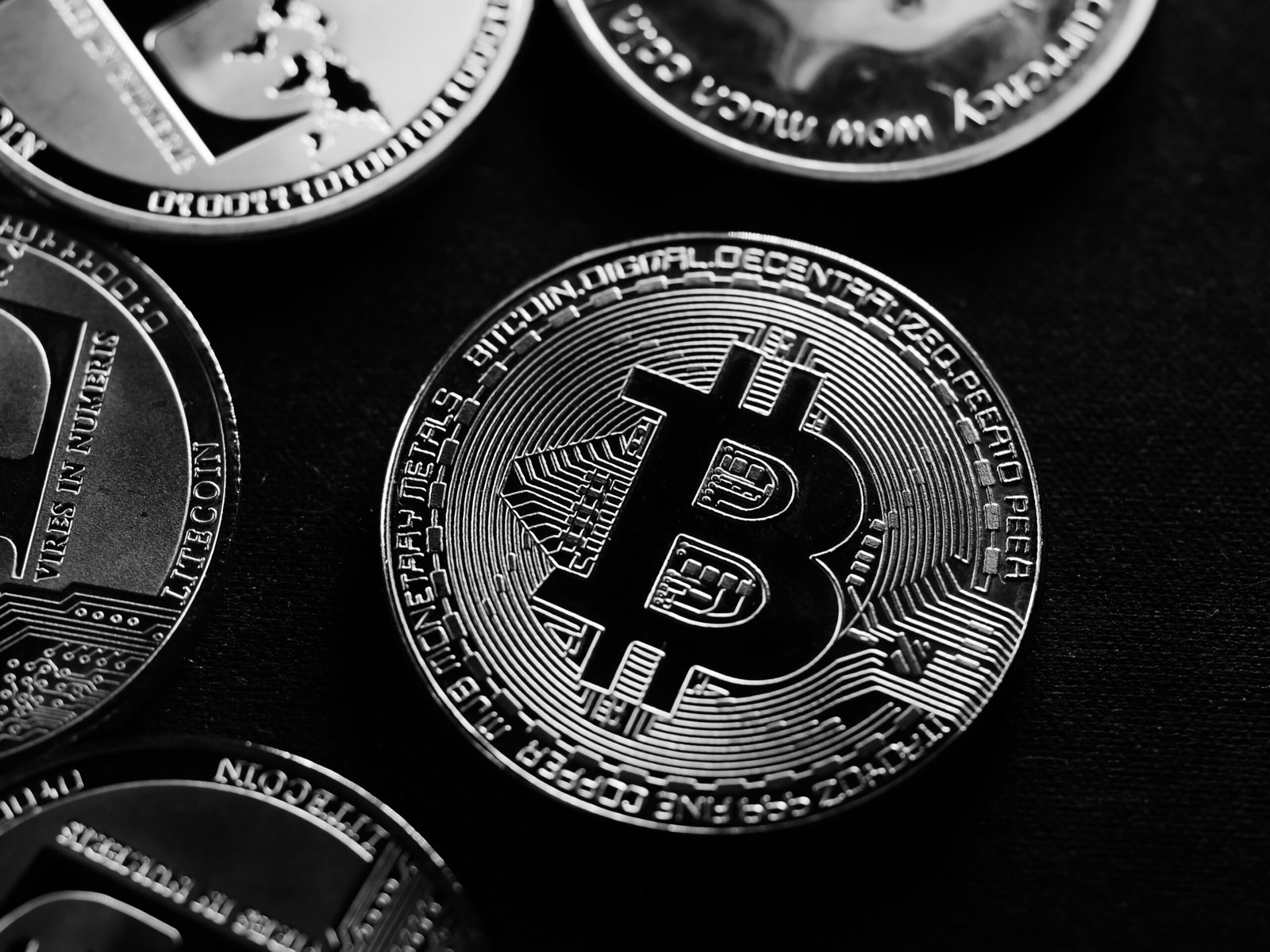
The country has adopted a very unique two-tiered system for the handling of digital assets. Importantly, it separates the legal status of bitcoin as a means of payment from very broad regulations about digital-asset offerings. Therefore, under the Bitcoin Law, it has the status of legal tender for this country. Implementations for payments/financial stability will be overseen by the Central Reserve Bank (BCR) and the Superintendency of the Financial System (SSF). Most revealingly, the Law on the Issuance of Digital Assets (LEAD, 2023) creates the CNAD and regulates the issuing, trading, custody, and intermediation of DASPs related to anything that is stored virtually. Any business activity involving digital assets that goes beyond simple BTC settlements requires CNAD registration or permission.
Thus, entrepreneurs and startups in this sector must take into account this “dual-track” system: the BCR ensures the legitimacy of BTC as a means of settlement, while CNAD oversees a wide range of client digital assets services, making a clear understanding of regulatory boundaries critically important for conducting legal operations.
For those who don’t want to go through the complicated process from scratch, purchasing a bank or a ready-made organization is an option.
El Salvador crypto licence regulation
The El Salvador license crypto supervision is built on the dual-track system. The law defines bitcoin circulation rules, encompassing settlement, merchant use and treasury integration. LEAD 2023 sets obligations for firms offering e-services beyond bitcoin. The regional commission maintains a public registry where every DASP is recorded. Pre-registration is obligatory before full approval. CNAD registry allows public access to verify current licensees. This separation ensures transparency and clarity between bitcoin as legal tender and other operations under licensing.
Acting Under the Dual Framework: Practical Implications
A company must define the partition of its activities under dual tracking. So, if a corporation accepts or settles only in BTC, it will be regarded as part of Bitcoin’s law. However, the moment a company offers any other services, such as different crypto-crypto swapping, non-Bitcoin asset custody, or a marketplace for the same, it instantly steps into strict licensing and control by the local institution under the LEAD 2023 regime. Organizations must determine which track applies, as each entails distinct licensing, compliance, and reporting obligations.
El Salvador crypto license requirements
El Salvador cryptocurrency license can be obtained by registering with the government authorities, licensing corporate status in the country, submitting a governance plan, disclosing beneficial owners, providing mechanisms for managing risks, outline, and financial documentation. An entity needs to open a local settlement account and prove its technical competence. Package documents should support internal control structures, mechanisms for protecting clients, and reporting procedures; threshold levels of capital will vary by category. Security audits and continuous monitoring may be required in some activities. More clarifications may be asked for by the authorities before arriving at a final decision.
How to Get VASP License in El Salvador
In order to get a VASP license in El Salvador, the organization must first complete pre-registration with CNAD. This process creates a presence in the public system and secures a pending status. The next step is submission of full documentation, including proof of incorporation, directors’ info, governance model, and financial plan. Technical description of systems must be attached. Once reviewed, CNAD issues approval, and the firm is added to the official register. Timing varies but usually extends over several months depending on the completeness of the filings.
Important Considerations about Cryptocurrency Exchange License in El Salvador
The El Salvador crypto license register is public, which provides legal certainty and market trust. CNAD regularly updates the register, so partners and users can verify whether an operator holds a valid authorization. Any firm planning to set off an El Salvador crypto exchange must assess tax rules, reporting obligations and governance rules. The system does not grant a universal authorization but ties every activity to a defined category.
Backing from the experts
The authorization process to get an El Salvador exchange license can be complex. Eternity Law International assists at every stage: defining the scope and category, preparing the application dossier, structuring governance and risk, and liaising with CNAD until approval. Our tailored approach helps avoid procedural pitfalls and accelerates market entry.
Conclusion
That dual framework imparts an environment of equality—meaning an incentive to develop technology and to preserve the necessary safeguards. It sets a structured way so that innovators can work openly and responsibly. Therefore, local and international participants alike in the process need to be well prepared by showing strong governance, compliance awareness, and operational readiness. Winning recognition under this system would be a strong signal, therefore, not just for entry into a new industry but for a commitment to trust, integrity, and sustainable growth.
FAQ
How much is a crypto license in El Salvador?
The pricing is dependent on the classification of the provider and the scope of activity that they are engaged in. These providers are classified as to the operational level, which will further indicate the payments that will need to be made during registration and then for the years that follow afterward. Smaller service providers will probably run into only moderate charges, most of which are related to registration and compliance reviews. On the other hand, a big institution is going to have to budget highly for supervisory and auditing costs.
What is the crypto policy in El Salvador?
Policy combines the Bitcoin Law and LEAD (2023) under CNAD oversight, overseeing virtual assets providers.
Is there a crypto tax in El Salvador?
Yes, tax obligations exist for organizations operating under CNAD authorizing, aligned with all fiscal rules. Together, they outline standards for registration, reporting, customer verification, and transparency. Oversight focuses on consumer protection, financial stability, and prevention of misuse such as laundering or terrorist financing.
Can I buy crypto in El Salvador?
Residents and visitors may obtain blockchain-based tokens through registered vendors or approved digital assets platforms. These providers follow know-your-customer and anti-laundering requirements. Purchases can be made with cash, cards, or bank transfers depending on the operator’s infrastructure.
Is crypto trading legal in El Salvador?
Buying and selling of blockchain-based units is permitted when done through supervised intermediaries. Participants can engage in token swaps, custody, or transfer functions provided the service provider holds appropriate registration and abides by ongoing obligations such as transparency reporting.
Do you need a license in El Salvador?
Any firm or platform offering storage, transmission, or conversion of tokenized value must undergo an approval procedure before commencing operations. This ensures consumer protection, proper risk management, and adherence to anti-fraud standards. Unregistered actors face sanctions or suspension.
Is crypto tax free in El Salvador?
While the state promotes new alterations, gains or income from blockchain-based operations are not exempt from regular taxation. The applicable rate and category depend on whether revenue comes from trading, service provision, or investment returns. Proper bookkeeping and declarations are mandatory.