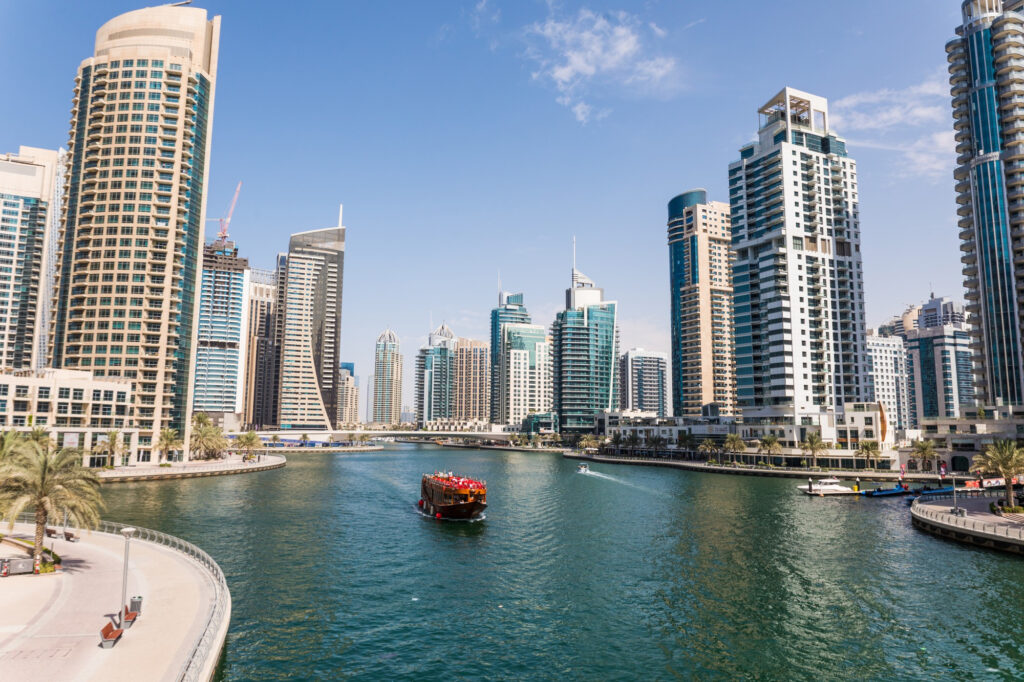







The United Arab Emirates (UAE) has positioned itself as a prominent international business center, attracting ambitious entrepreneurs, innovative startups, and established multinational corporations. One of the fundamental factors behind this success lies in the UAE’s expansive network of free zones, which provide highly attractive incentives for corporations and investors alike. Fully understanding who is classified as a “Free Zone Person” in the UAE is crucial for those aiming to operate within these specialized economic regions.
What is a Free Zone in the UAE?
A free-zone, often referred to as a free trade zone, is a distinct geographical area within the UAE that operates under special economic rules, providing tax advantages and simplified trade procedures. These zones are designed to encourage foreign investment and promote international firm growth.
Free zones enable 100% foreign request, allow full repatriation of profits, and provide exemption from import and export taxes. Each free-zone functions under its own set of regulations, often specializing in particular industries such as technology, finance, logistics, healthcare, or media sectors.
Defining a “Free Zone Person”
A “Free Zone Person” denotes an individual or corporate entity registered within one of the UAE’s designated free-zones and actively conducting enterprise in alignment with that zone’s regulatory framework. This term is particularly important in the context of UAE tax laws, especially regarding corporate taxation.
The term broadly encompasses:
- Free-Zone Company (FZC)
- Free-Zone Establishment (FZE)
- Branch of a Foreign Company
- Freelancers and Independent Entrepreneurs Working in Free Zones
Criteria to Qualify as a Free Zone Person
To be categorized as a Free-Zone Person, several criteria must be satisfied:
- Legal Entity Formation
- The organization must be formally enrolled as a lawful entity within a specified UAE free-zone. This can be as a Free Zone Company (FZC), Free Zone Establishment (FZE), or a branch representing a non-citizen company.
- Licensing Compliance
- Each free zone has distinct licensing prerequisites based on the nature of commercial functions. A Free-Zone Person must acquire a license that appropriately matches their scope of activities, whether it pertains to trade, consultancy, or manufacturing.
- Physical Presence and Office Space
- Most free zones necessitate that corporations maintain an seated presence or a enrolled office space within the specified zone.
- Financial Reporting and Regulatory Compliance
- Free-Zone Persons must uphold proper financial reporting practices, including diligent bookkeeping, auditing procedures, and the submission of necessary financial statements.
- Corporate Tax Considerations
- According to UAE Corporate Tax Law, Free-Zone Persons may qualify for a preferential 0% corporate tax rate on eligible gain, provided they meet specific needs such as maintaining sufficient economic substance, complying with transfer pricing rules, and deriving revenue from authorized actions.
Types of Free Zone Persons
- Free Zone Establishment (FZE)
- An FZE is a limited liability corporation structure comprising a single shareholder. This formation offers flexibility for independent entrepreneurs or investors aiming to operate autonomously within a free-zone.
- Free Zone Company (FZC)
- An FZC is a similar entity to an FZE but requires two or more shareholders. This model is suitable for partnerships and joint ventures.
- Branch of a Foreign Company
- International corporations can establish a branch within a UAE free-zone to expand their presence without the need to form an entirely new legal entity.
- Freelancers and Independent Professionals
- Freelancers and self-employed individuals operating under a freelancer permit issued by designated free-zones are also thought Free-Zone Persons.
Advantages of Working as a Free-Zone Person
Being a Free-Zone Person comes with several significant benefits:
- Full Foreign Ownership
- Unlike mainland companies, enterprises enrolled in free-zones enjoy the advantage of 100% foreign ownership without the requirement for a local partner or sponsor.
- Tax Incentives
- Free-Zone Persons may qualify for a 0% corporate tax rate on eligible earnings, while also benefiting from exemptions on import and export duties and VAT relief in specific zones.
- Unrestricted Profit and Capital Repatriation
- Free-Zone Persons are allowed to transfer their entire profits and invested capital without limitations or restrictions.
- Efficient Business Setup Process
- Free-zones offer streamlined registration processes, making it quicker and easier for firms to start their operations.
- Industry-Specific Ecosystem
- Numerous free-zones focus on specialized industries, creating a nurturing environment that encourages networking, strategic partnerships, and growth opportunities.
- Simplified Immigration and Employment Process
- Free-Zone Persons benefit from expedited visa processing for employees, investors, and enterprise owners.
Tax Considerations for Free Zone Persons
Under the UAE’s corporate tax system, Free-Zone Persons can potentially enjoy a 0% corporate tax rate on preparing revenue. However, firms must adhere to certain criteria to access this advantage:
- Maintain substantial company within the free-zone.
- Conduct qualifying actions such as production, warehousing, logistical support, and approved consultancy favors.
- Pay earned from non-qualifying actions, such as transfers with UAE mainland enterprises, may be subject to the standard 9% corporate tax rate.
Notable Free-Zones in the UAE
Prominent free-zones in the UAE include:
- Dubai Multi Commodities Centre (DMCC)
- Jebel Ali Free-Zone (JAFZA)
- Dubai Internet City (DIC)
- Abu Dhabi Global Market (ADGM)
- Sharjah Media City (SHAMS)
- Fujairah Free-Zone (FFZ)
Each of these zones presents customized benefits and adjustment structures designed to support specific industries and enterprise sectors.
Conclusion
A “Free-Zone Person” in the UAE is defined by their registration within a designated free-zone, adherence to local laws, and involvement in qualifying actions. Comprehending the qualifications, benefits, and responsibilities of being a Free-Zone Person is essential for firms seeking to optimize the advantages of operating in these strategically designed economic areas. By leveraging the unique incentives and support systems available, Free-Zone Persons can unlock significant growth potential while actively contributing to the UAE’s thriving economic landscape.